
NEWS
August 31, 2026
IN BRIEF
“Microgrants” or “Innovative Grants” are an emerging trend in the […]
SHARE
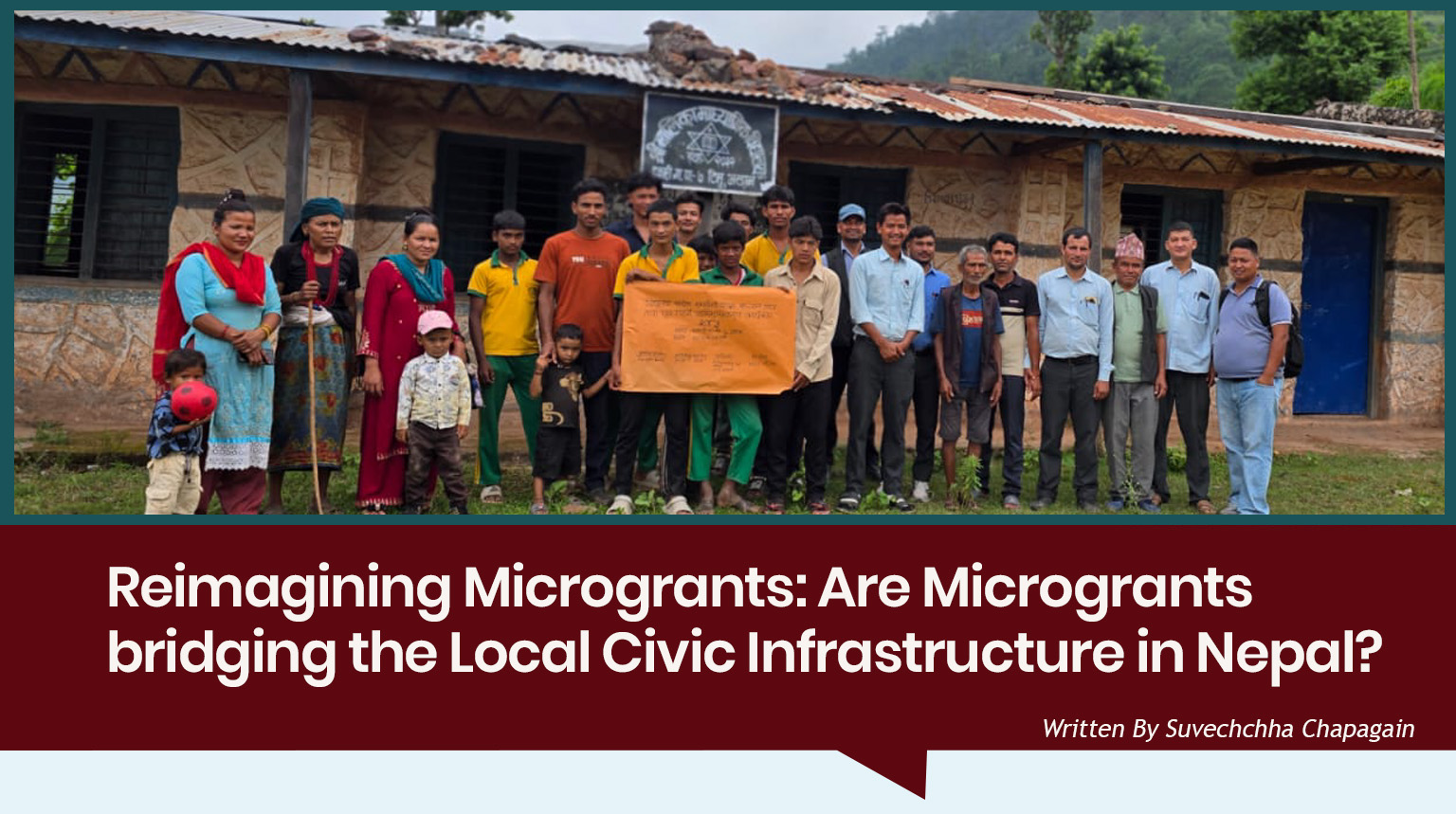
“Microgrants” or “Innovative Grants” are an emerging trend in the development sector. With funding spaces shrinking, and a large number of civil society organizations (CSOs) struggling to survive, such grants are becoming critical to sustain the civic space, especially at the local level. They support many small and emerging local CSOs to sustain or scale their operation, implement their activities, and experiment with new ideas. For newer CSOs, it has become a launchpad for not just their community goals but also building their organizational structure, compliance and governance.
Accountability Lab (AL) under the DDI (Digital Democracy Initiative) South Asia program has rolled out microgrants to nearly 150 CSOs across South Asia, allowing them to work on ideas that address digital governance and democracy. In Nepal alone, these grants have supported initiatives such as a multilingual AI-assisted election information helpline, a digital archive of all election-related commitments and electoral information in Karnali province, and efforts to build the online presence of local entrepreneurs in Dhangadhi Sub-Metropolitan City. These are relatively small, “easy to implement” ideas but with the potential for meaningful long-term community impact. Unlike traditional funding mechanisms, microgrants seem to provide space for “creative” and “unique” solutions that are cost-effective and innovative. We find civic-tech and CSOs working on digital solutions take most benefit of these grants, as they can produce data-driven solutions at relatively low-cost and produce outputs within a short timeframe.
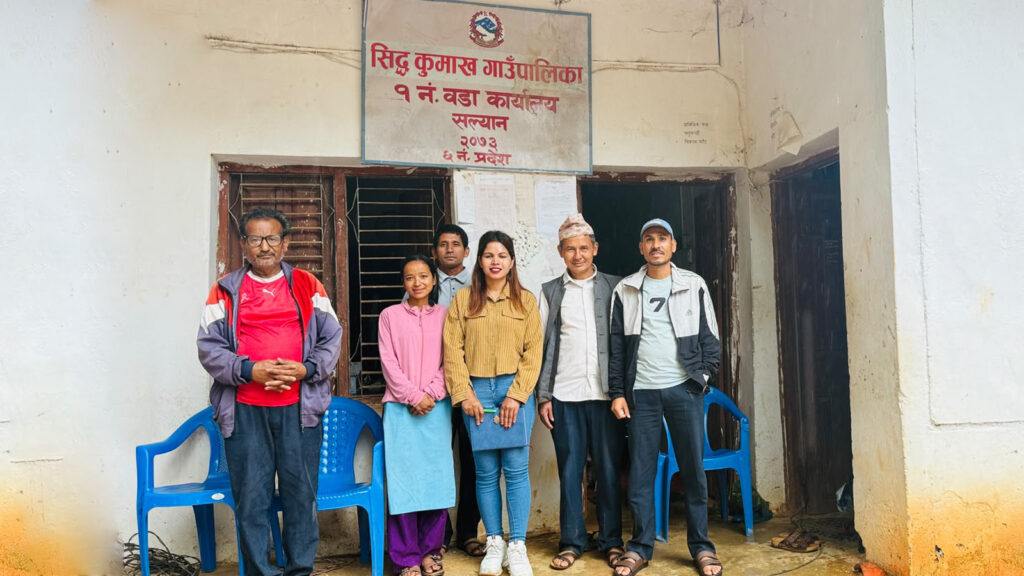
Meanwhile, traditional funders also seem open to the idea of microgrants. For instance, the European Union (EU) has mandated Financial Support to Third Parties (FSTP) across all their grants, allowing locally based CSOs – which would otherwise have little chance of directly accessing EU funds – to receive support through sub-granting arrangements managed by first-line implementers. It has created pathways for smaller CSOs to gain the experience and credibility to become direct grantees in the future. After all, they are the ones who deeply understand the local realities and advocate in a manner that is contextually relevant. Accountability Lab Nepal (ALN) has also managed 29 grants under this FSTP mechanism so far, working with CSOs from across all provinces – even those working in the most remote parts of the country, on issues of inclusive education and youth participation. The concerns – both positive and constructive – raised on this blog are largely based on our observations and interactions as grant managers.
Through our engagement with CSOs, we position microgrants not merely as a funding mechanism, but as a catalyst to transform how resources and decision-making power are shared. We view it as a way to empower local action and #ShiftThePower to communities, enabling them to identify and address their own concerns and priorities.
On the surface, the small/micro grants come across as a win for everyone, but on a closer look lies a very complex and complicated structure. There are many ironies when it comes to these savior-like microgrants. They often come with smaller pockets but the same architecture as larger grants – on budgets, compliance obligations, documentation and reporting deadlines. This makes microgrants equally challenging from an administrative lens. These grants support the activities but rarely the conditions that make those activities possible. The proper implementation of even small projects requires a strong and dedicated team and organizational systems. But, with the grant size, the project can only afford one or two staff members who have to juggle multiple roles to ensure strong delivery of activities along with visibility requirements, impact documentation, relationships with stakeholders, quality assurance, donor compliance and more. Administrative costs, staff development and organizational reserves are largely overlooked, when in reality, strengthening of these domains can only make CSOs deliver structured and meaningful results. The funders cannot speak of truly supporting CSOs when they offer support only on their terms.
As the funding funnel narrows, microgrants are certainly not something that CSOs want, they are something they need to continue their operations and keep their footprint alive in the communities in which they work. These grants are, however, the only accessible source of funding to sustain staff, maintain operations and remain visible. Many of the CSOs we worked with have downsized their offices and find themselves trapped in a cycle of short-term funding – with the team spending as much time on fundraising as they do implementing ongoing projects. On the contrary to these, ALN, in the past, tested a flexible micro grant support to CSOs through the Accountability Incubator program, where the emerging ideas received not only grant support but also additional guidance and support needed to develop and grow. This approach enabled organizations, including Digital Rights Nepal (DRN) and Center for Social Change (CSC), to get registered and scale without being constrained by rigid grant conditions. The grants invested in the potential of these ideas and provided the flexibility and support needed to help them evolve, take root, and become sustainable.
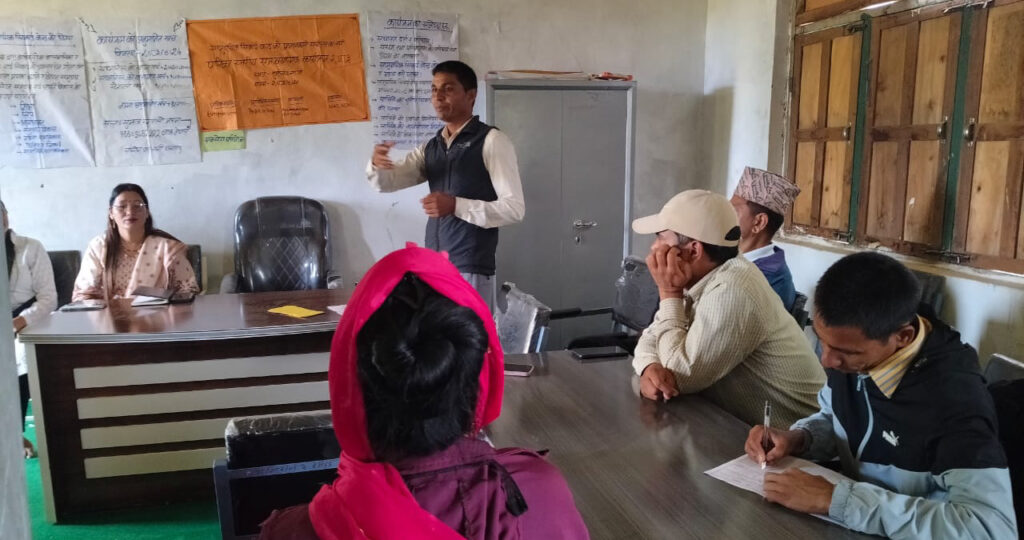
Donors often emphasize the sustainability of the work even of short-term projects. However, in practice, the projects executed under microgrants are so time-bound and tightly scheduled that they cannot reach maturity before the funding cycle ends. CSOs find themselves jumping between activities, with very little time to strategically design their advocacy approaches, engage meaningfully with communities and stakeholders, or build sustained consensus around advocacy items. This approach impacts the sustainability of the work and leaves little room for reflection and sustained engagement with the communities CSOs serve Whether the goal is behavior change, policy influence or knowledge generation, the duration is often too short to produce results. In many cases, the project period doesn’t align with government policy cycles, and by the time an opportunity for policy uptake emerges, the CSO intervention already ends, leading stakeholders to forget the agenda altogether. Similarly, knowledge building and behavior change are slow, cumulative, and deeply contextual processes. A few activities or limited engagement is rarely sufficient to create lasting shifts.
Moving forward, even bigger players are going to compete with these microgrants as funding space becomes smaller. In this context, the question of whether there should be microgrants or not isn’t particularly relevant.
The real discussion is around how these grants can move beyond being instruments for project delivery and become tools for strengthening institutions as well. If microgrants are to really support CSOs, they must help organizations build the internal capacity needed to sustain their advocacy beyond the life of a single project. This requires making funding mechanisms more flexible, recognizing the diverse realities, capacities and constraints of different organizations.
It also calls for a more empathetic and flexible approach to grant management, one that understands CSOs not as mere vehicles for delivering outputs, but as institutions handling complex social and political environments while trying to create long-term change.